Small bathroom ideas: Smart space solutions
In-depth guide to small bathroom ideas with storage, lighting, and design tips for a refreshed, efficient space.
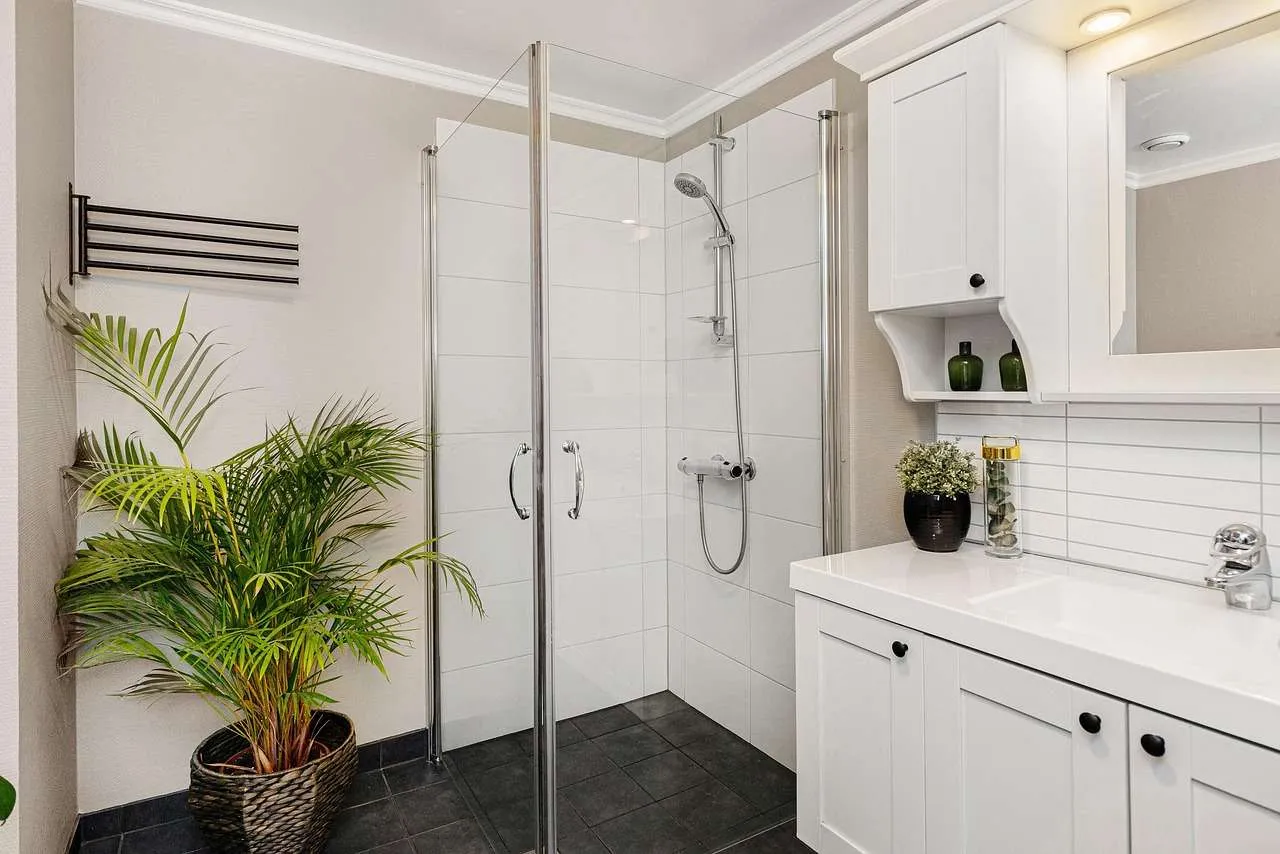
Designing a small bathroom that feels spacious starts with intent. The core ideas for small bathroom ideas combine efficient storage, light and color, and fixtures that slim down clutter. This guide presents practical, designer-tested strategies to maximize every square inch while ensuring a calm, hygienic, and visually appealing space.
Smart layout principles
Start with a clean plan. For most homes a three piece bathroom can feel generous if you choose compact fixtures, wall hung units, and clear sightlines. Prioritize wall mounted or pedestal furniture to keep the floor visible, which visually expands the room. Consider a pocket door or a barn door to eliminate the swing clearance that eats into your floor area. If a tub is essential, a shallow alcove tub with a frameless shower screen can feel airy instead of bulky.
Storage without clutter
- Install wall mounted cabinets above the toilet or vanity to free floor space.
- Use recessed niches in the shower wall for toiletries instead of freestanding caddies.
- Choose vanity units with drawers and soft close mechanisms to reduce visual noise and improve organization.
Color and materials that read larger
Light colors reflect more light and help a space feel open. Opt for pale neutrals, soft whites, or cool gray tones. Large format tiles reduce grout lines, which makes walls feel more expansive. Use glass shower enclosures or a clear shower curtain to preserve sight lines and create a continuous feel. Mirrors that span the wall can double the perceived space, especially when positioned across from a window or a light source.
Fixtures and fittings that save space
Choose compact vanity units with undermount sinks or wall mounted basins. Consider a wall mounted toilet with a concealed cistern to free up visible floor area. In showers, a curved or square corner entry can be less intrusive than a hinged door. A recessed shower niche keeps bottles off the bench or floor. When possible, opt for a single handle faucet and a compact tub or a walk in shower over a full size tub.
Lighting and mirrors to enhance space
Layer lighting is essential. Combine overhead lighting with task lighting around mirrors. A backlit mirror or LED strip along a vanity adds depth without bulk. Make use of natural light wherever possible; a translucent partition or a frosted glass panel can bring daylight into a windowless bath.
Layout options and quick comparison
Different layouts work for different shapes and plumbing positions. The following table outlines common options, with quick pros and cons.
| Option | Pros | Cons | Ideal For | Cost |
|---|---|---|---|---|
| Pocket door | Saves clearance and opens space | Requires wall cavity and professional install | Very small or narrow baths | Med |
| Frameless shower | Feels open and modern | More fragile glass and higher installation cost | Open feel in showers | Med-High |
| Walk in shower with no tub | Maximizes floor space | Less storage for bath items | Small families or singles | Med |
| Wall mounted vanity | Floating look; easier cleaning | Requires plumbing access and wall support | Mid sized baths | Med |
| Open shelving with closed cabinet | Airy feel; easy access | May look cluttered if not organized | Shared bathrooms | Low-Med |
Maintenance and professional guidance
For EEAT and reliability, work with licensed plumbers and qualified designers when altering plumbing or electricals. Detailed planning, a materials list, and clear drawings help ensure your small bathroom creates the effect you want while staying durable and safe. If you are renovating, document measurements, verify door swings, and ensure venting and moisture management are up to code. Reading customer reviews and requesting portfolios can help establish trust and authority in choosing a contractor.
Implementation checklist
- Define the priorities for your space including storage and shower preference.
- Choose a light color palette and materials with minimal grout lines.
- Plan for vertical storage and wall mounted fixtures.
- Ensure proper ventilation and moisture control.
Conclusion
Small bathroom ideas that work combine smart layout, light and reflective finishes, and clutter free storage. By selecting compact fixtures, leveraging vertical space, and using glass and mirrors to extend sightlines, you can create a bathroom that feels larger than its actual dimensions. Following a practical plan and consulting professionals when needed will help you achieve a durable, stylish result that enhances daily routines.
Summary: This guide presents layout principles, storage strategies, color and material choices, fixture options, lighting design, and a quick layout comparison to maximize space in small bathrooms. Implementing these ideas will yield a brighter, more organized, and efficient space.